VIEW PICTURES AND ENGLISH TRANSLATION BELOW
Sono venuta in Cina per vivere esperienze nuove… e ne vivo molte di più di quelle che mi ero immaginata! In queste ultime settimane ho anche capito la differenza che c’è tra il vivere una situazione problematica stando sul posto, nel cuore del problema, e vederla da lontano attraverso le notizie che ne danno i media… Questo post lo sto scrivendo ora da Parigi dopo aver vissuto le prime settimane dell’epidemia a Shanghai ed essere riuscita a rientrare a fine gennaio con l’ultimo volo della Lufthansa.
La prima volta che ho sentito parlare del coronavirus è stato da mia madre, che mi ha chiesto se avevo sentito parlare di un virus in una provincia nel centro della Cina… io niente! Poco tempo dopo ho cominciato a leggere qualche articolo francese sull’argomento, ma niente di allarmante. Poi le cose hanno cominciato ad andare molto veloci. Il periodo del nuovo anno cinese – che quest’anno cadeva il 24 et 25 gennaio – è un momento di festa, in cui le famiglie si riuniscono. Proprio in quei giorni è arrivata la raccomandazione di limitare al massimo i viaggi, a causa di un’epidemia che aveva il suo epicentro a Wuhan, nella provincia di Hubei, nel centro della Cina. Gli articoli condivisi dai miei contatti su Wechat davano notizie sempre più preoccupanti – impossibile trovare maschere di protezione a Shanghai – e le autorità hanno chiesto di evitare i luoghi pubblici e di restare a casa.
Ci si sente un po’ prigionieri, quando non si può uscire di casa e ogni mattina si legge che i numeri di casi sono aumentati a Wuhan, ma poi anche a Shanghai e anche nel mio quartiere, senza avere notizie precise né sulla gravità dell’epidemia, né sulla sua evoluzione. Ci si sente anche prigionieri dei media. Da una parte ci sono gli articoli apocalittici, con titolo cubitali sul numero di morti e sulla diffusione del virus. Dall’altra ci sono articoli meno allarmanti, che cercano di collocare la situazione in un contesto più ampio e di relativizzare. Ti viene da chiederti chi ha ragione e quali sono le ragioni dietro l’una e l’altra posizione. In ogni caso, è stato impressionante vedere le strade di Shanghai, normalmente pullulanti di gente e di traffico, svuotarsi, e il coronavirus imporsi al centro di ogni discorso.
Una nuova caratteristica del popolo cinese che ho scoperto in questa situazione è la forte solidarietà. Migliaia di medici volontari hanno rinunciato a celebrare il nuovo anno cinese con la loro famiglia per andare ad aiutare nella citta d Wuhan, fonte dell’epidemia, in condizioni molto difficili. Ci sono stati tanti doni di mascherine e materiali medici. Il giovane cinese che vive in casa con me mi ha detto : “In Europa pensate che i cinese siano individualisti e in continua competizione gli uni contro gli altri, ma in realtà ci aiutiamo molto. Sappiamo che l’altro è come noi, e siamo pronti a mettere da parte i nostri interessi per aiutarlo!”.
L’altro aspetto che mi ha colpito è il senso di responsabilità molto grande che esiste in questo Paese. La mascherina in generale viene indossata più per non contaminare gli altri, che per proteggere sé stessi, pur essendo molto scomoda (cosa verificata durante le 12 ore del mio volo di ritorno…). Un altro esempio di responsabilità è quello dell’auto-quarantena, cioè il fatto di restare a casa senza uscire per 14 giorni, dopo essere stati in posti dove c’è un rischio di contagio. Gli insegnanti hanno inizialmente contattato ogni studente per verificare se qualcuno di loro era stato a Wuhan all’inizio delle vacanze del nuovo anno cinese, prima che la città venisse isolata, e continuano a chiamarli regolarmente per sapere se presentano sintomi del virus. Ora stanno preparando le lezioni che gli studenti seguiranno on-line, dal momento che la ripresa della scuola è stata posposta di un mese.
Quello che trovo triste è che qui in Europa chiunque abbia un’apparenza cinese ora venga guardato con sospetto e discriminato.
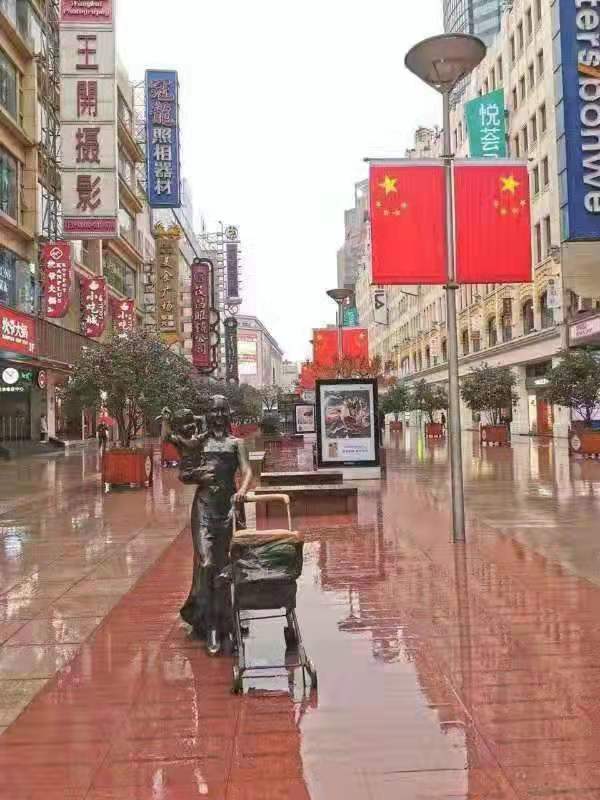
Empty street in the center of Shanghai 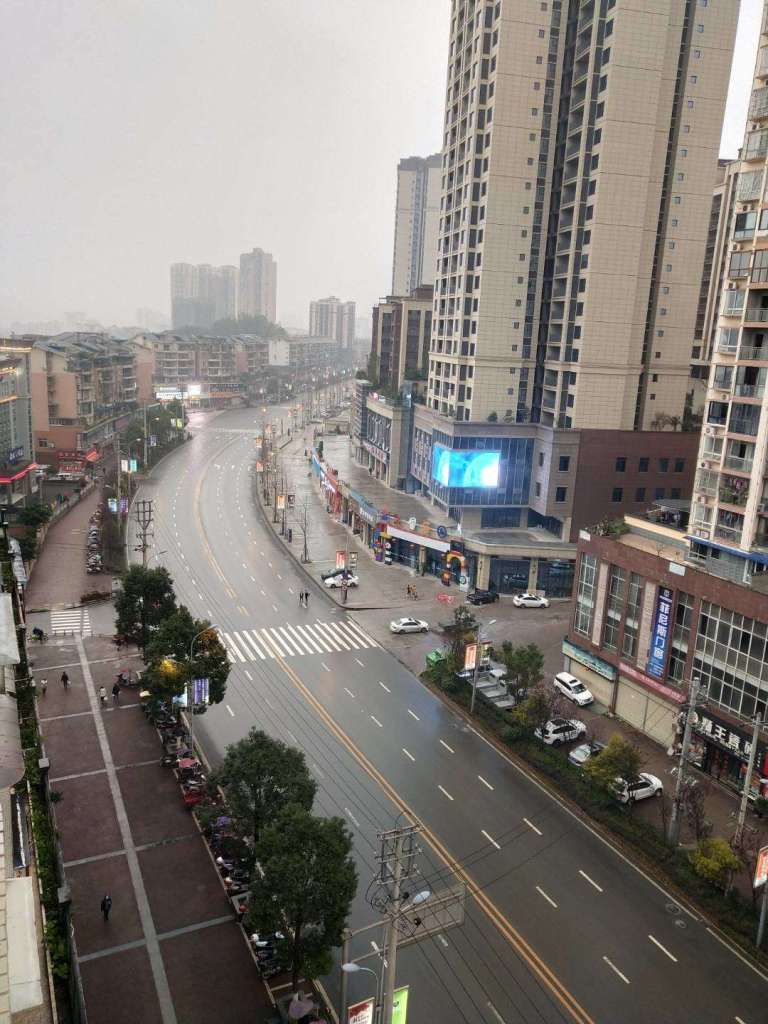
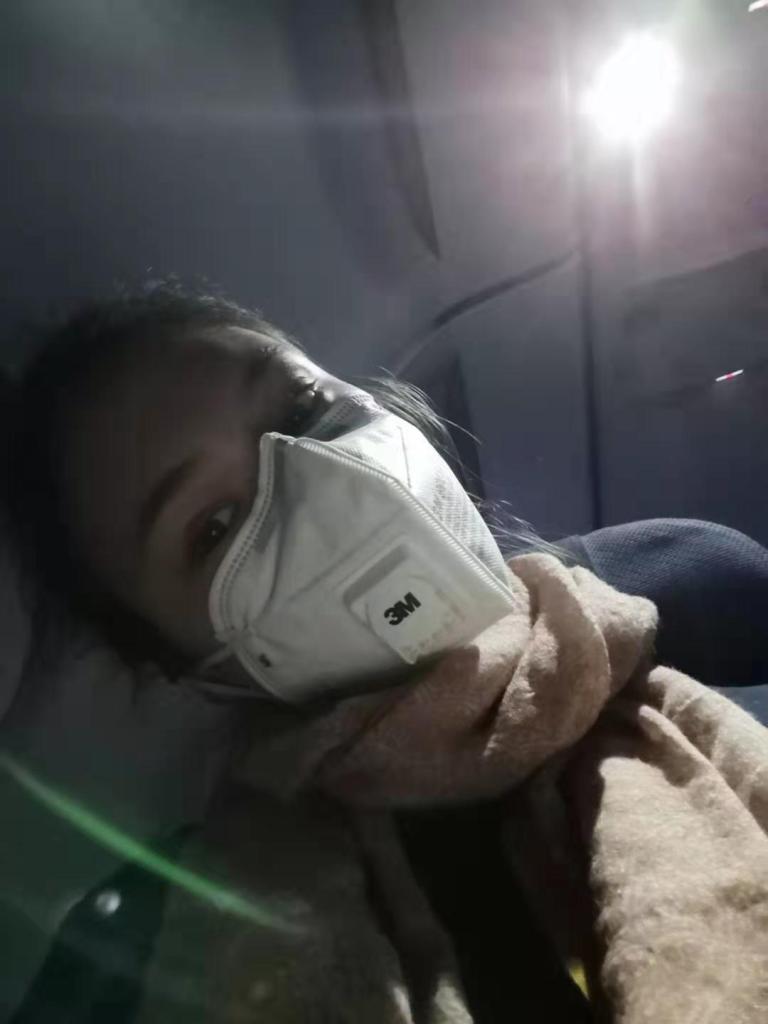
wearing the mask during the flight 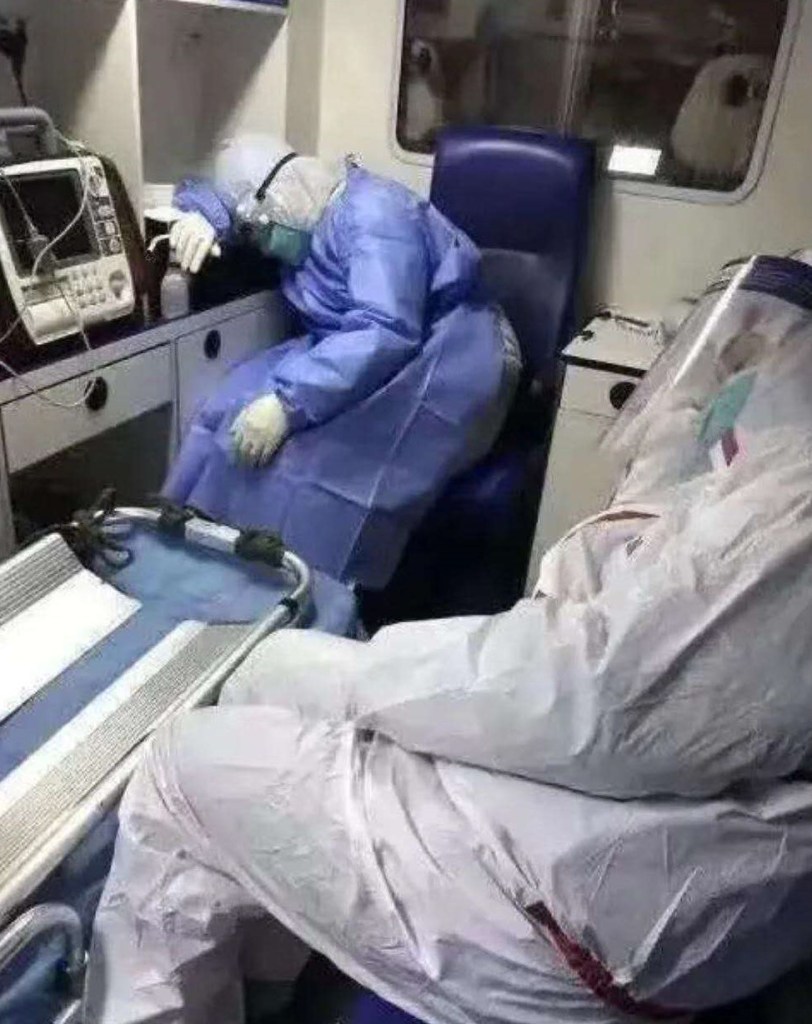
Doctors in Wuhan 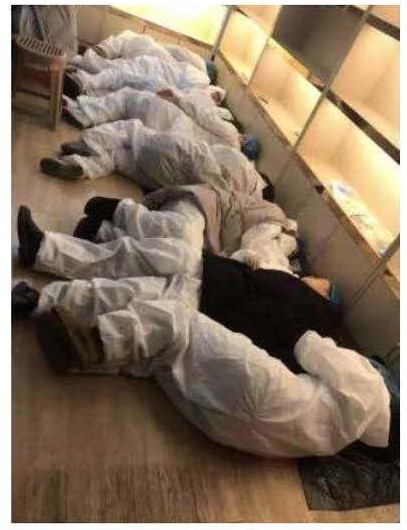
Volunteers in Wuhan living in very difficult
I came to China to live new experiences… and I live many more than I imagined! In the last few weeks I’ve also understood the difference between living a problematic situation on the spot, in the heart of the problem, and seeing it from outside through the media reports… I’m writing this post now from Paris after experiencing the first weeks of the epidemic in Shanghai and being able to return at the end of January with the last Lufthansa flight.
The first time I heard about the coronavirus was from my mother, who asked me if I had heard of a virus in a province in the centre of China… I hadn’t! Shortly afterwards I started reading some French articles on the subject, but nothing alarming. Then things started going really fast. The time of the Chinese New Year – which this year fell on January 24th and 25th – is a time of celebration, when families come together. Just in those days arrived the recommendation to limit travel as much as possible, due to an epidemic that had its epicentre in Wuhan, in Hubei province, in the centre of China. The articles shared by my contacts on Wechat gave increasingly worrying news – it was impossible to find protective masks in Shanghai – and the authorities asked to avoid public places and stay at home.
One feels a bit like a prisoner when one cannot leave home and every morning the news say that the number of cases has increased in Wuhan, but then also in Shanghai and also in my neighbourhood, without giving precise information about the seriousness of the epidemic and its evolution. One also feels like a prisoner of the media. On the one hand there are the apocalyptic articles, with big headlines on the number of deaths and the spread of the virus. On the other hand, there are less alarming articles, which try to place the situation in a broader context and to relativize it. It makes you wonder who is right and what are the reasons behind both. In any case, it was impressive to see the streets of Shanghai, normally swarming with people and traffic, emptying out, and the coronavirus taking centre stage.
A new characteristic of the Chinese people that I discovered in this situation is the strong solidarity. Thousands of volunteer doctors have given up celebrating the Chinese New Year with their family to go and help in the city of Wuhan, the source of the epidemic, in very difficult conditions. There were many gifts of masks and medical materials. The young Chinese man who lives at home with me told me: « In Europe you think that the Chinese are individualistic and in constant competition against each other, but in reality we help each other a lot. We know that the other is like us, and we are ready to put aside our interests to help! ».The other aspect that struck me is the very great sense of responsibility that exists in this country. The mask in general is worn more to not contaminate others than to protect oneself, even though it is very uncomfortable (this was verified during the 12 hours of my return flight…). Another example of responsibility is that of self-quarantine, i.e. staying at home without going out for 14 days, after having been in places where there is a risk of infection. The teachers initially contacted each student to see if any of them had been in Wuhan at the beginning of the Chinese New Year holidays, before the city was isolated, and they continue to call them regularly to find out if they have symptoms of the virus. They are now preparing the lessons that the students will take online, since the school’s resumption has been postponed for a month.
What I find sad is that here in Europe anyone with a Chinese appearance is now being looked at with suspicion and discriminated against.
 ChineselySophia